Social Etiquette Examples: Everyday Polite Behaviors
What are examples of social etiquette?
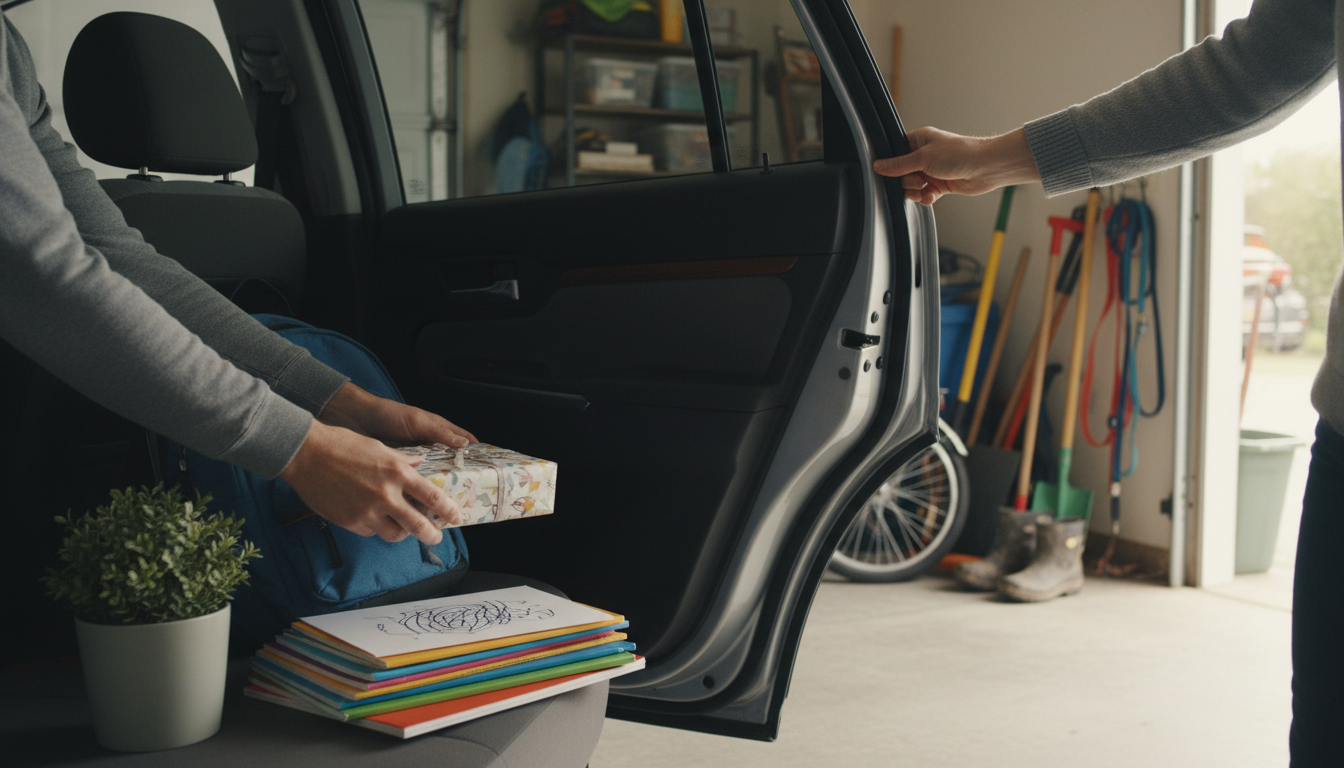
Examples of social etiquette are the everyday behaviors that show respect for other people’s time, space, and feelings. They’re the small courtesies that make interactions smoother at home, at work, in public, and online. While customs can vary by region and culture, many etiquette habits are widely appreciated because they signal consideration and self-awareness.
Common examples of social etiquette in daily life
Greetings and introductions
Saying “hello,” making appropriate eye contact, and using someone’s name are simple ways to start well. When meeting new people, a polite introduction and a brief, friendly acknowledgment helps everyone feel included—especially in group settings.
Respecting personal space
Standing an appropriate distance away, avoiding unwanted touching, and being mindful in crowded areas are core etiquette practices. In lines, it’s polite to keep space, wait your turn, and avoid cutting ahead.
Listening without interrupting
Letting someone finish speaking, asking a follow-up question, and responding thoughtfully are strong examples of good manners. Even when disagreeing, keeping a calm tone and focusing on the topic (not the person) shows maturity.
Phone and digital etiquette
Silencing your phone in quiet places, stepping away to take calls, and not scrolling during face-to-face conversations are modern basics. Online, avoiding all-caps, crediting others’ work, and not oversharing private details are practical signs of respect.
Dining and guest etiquette
Chewing with your mouth closed, waiting until everyone is served, and saying “please” and “thank you” are classic examples. As a guest, arriving on time (or sending a quick update if delayed) and expressing appreciation afterward are widely considered thoughtful.
Workplace courtesy
Being punctual, keeping meetings on track, and responding to messages within a reasonable timeframe are professional etiquette standards. Sharing credit, respecting boundaries, and keeping common spaces clean also help build trust.
For more detailed scenarios and practical guidance, visit the main article on social etiquette examples.
FAQ
What is the difference between etiquette and manners?
Manners are personal habits of politeness, while etiquette is the set of socially recognized rules for how to behave in specific situations. Good manners support etiquette, but etiquette can differ depending on the setting or culture.












Leave a comment