Red Flag Dog Behaviors: Signs of Stress or Aggression
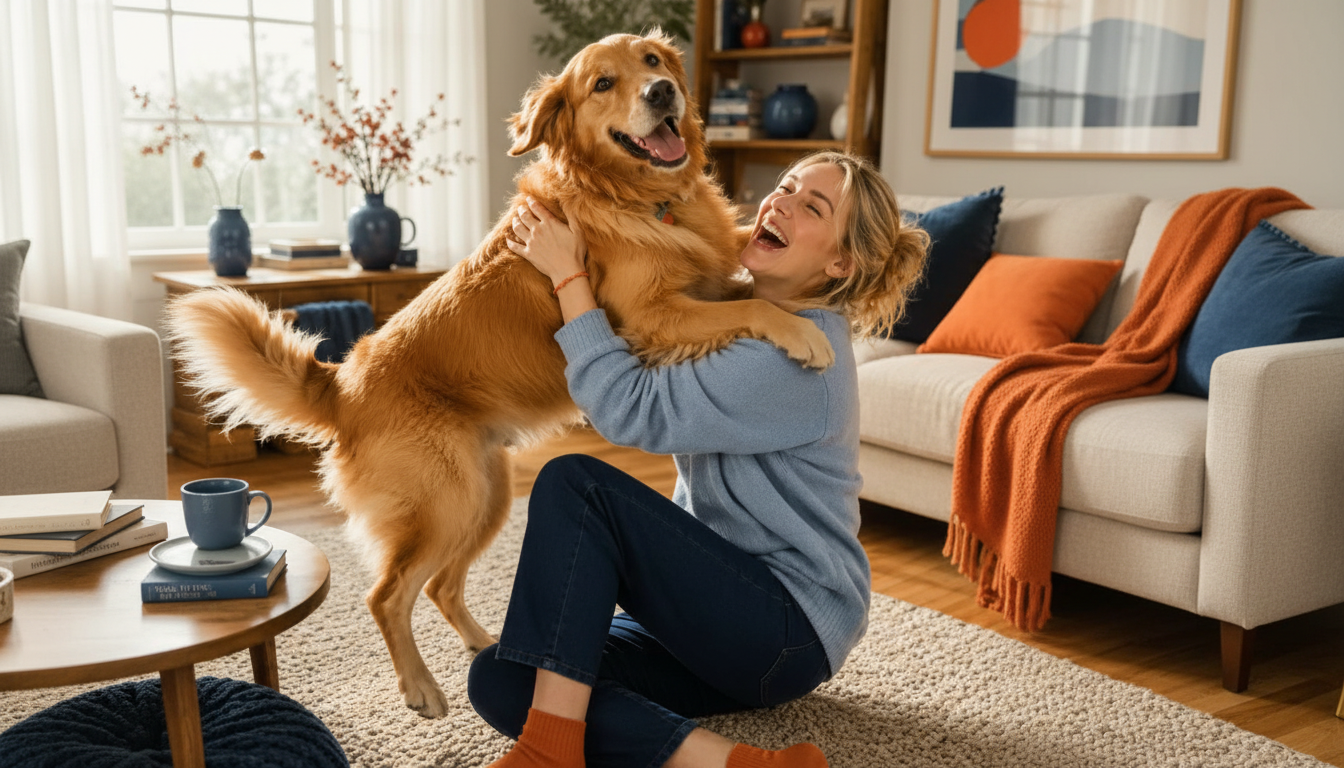
What are red flag dog behaviors?
Red flag dog behaviors are actions that suggest a dog may be stressed, fearful, in pain, under-socialized, or at risk of escalating to a bite or other unsafe incident. A single moment doesn’t always define a dog, but repeated patterns—especially in specific situations—are worth taking seriously. For a deeper breakdown and examples, see the full guide here: https://uniquecatchpalace.shop/what-are-flag-dog-behaviors/.
Common red flags to watch for
Stiff, frozen posture: A dog that suddenly “locks up,” stands tall, and stops moving is often signaling discomfort and may be deciding whether to flee or defend itself.
Hard staring and “whale eye”: Intense staring, or showing the whites of the eyes while keeping the head still, can indicate anxiety and rising tension.
Low growling, snarling, or baring teeth: These are clear warnings. Punishing growls can remove an important early signal; instead, create distance and address the cause.
Snapping, air biting, or quick lunges: Even if no contact is made, these are near-miss bites that require immediate management and professional help.
Resource guarding: Stiffening over food, toys, beds, or stolen items, hovering, and escalating to growling or biting when approached are red flags, especially around kids.
Sudden changes in behavior: A normally friendly dog that becomes irritable, avoids touch, or reacts aggressively may be in pain or ill and should see a veterinarian.
What to do if you notice red flags
First, prioritize safety: increase distance, avoid cornering the dog, and prevent risky interactions. Track what triggers the behavior (who, where, when, what happened right before). Then consult a veterinarian to rule out pain and work with a qualified positive-reinforcement trainer or veterinary behaviorist for a structured plan.
For Red Flag Dog Behaviors: Signs of Stress or Aggression, the best answer depends on fit, material, care instructions, and how the product will be used day to day.
FAQ
When should I contact a professional for my dog’s behavior?
Contact a vet or qualified behavior professional if you see snapping, repeated lunging, biting, escalating guarding, or any sudden personality change. Immediate help is also warranted if the behavior involves children, visitors, or unpredictable triggers.









Leave a comment